Music is more thanmeets the ear.
We research and promote music-making as a local resource for community well-being and ecological regeneration, mainly within the global permaculture community.
The Casamance projectThe arts are so central to who we are that we need to make them part of the healing of self, community and biosphere.
Rhythms for Resilience, OxfordRitual
Music holds a community’s ceremonies together. We look at what it does when people gather, and what it gives them.
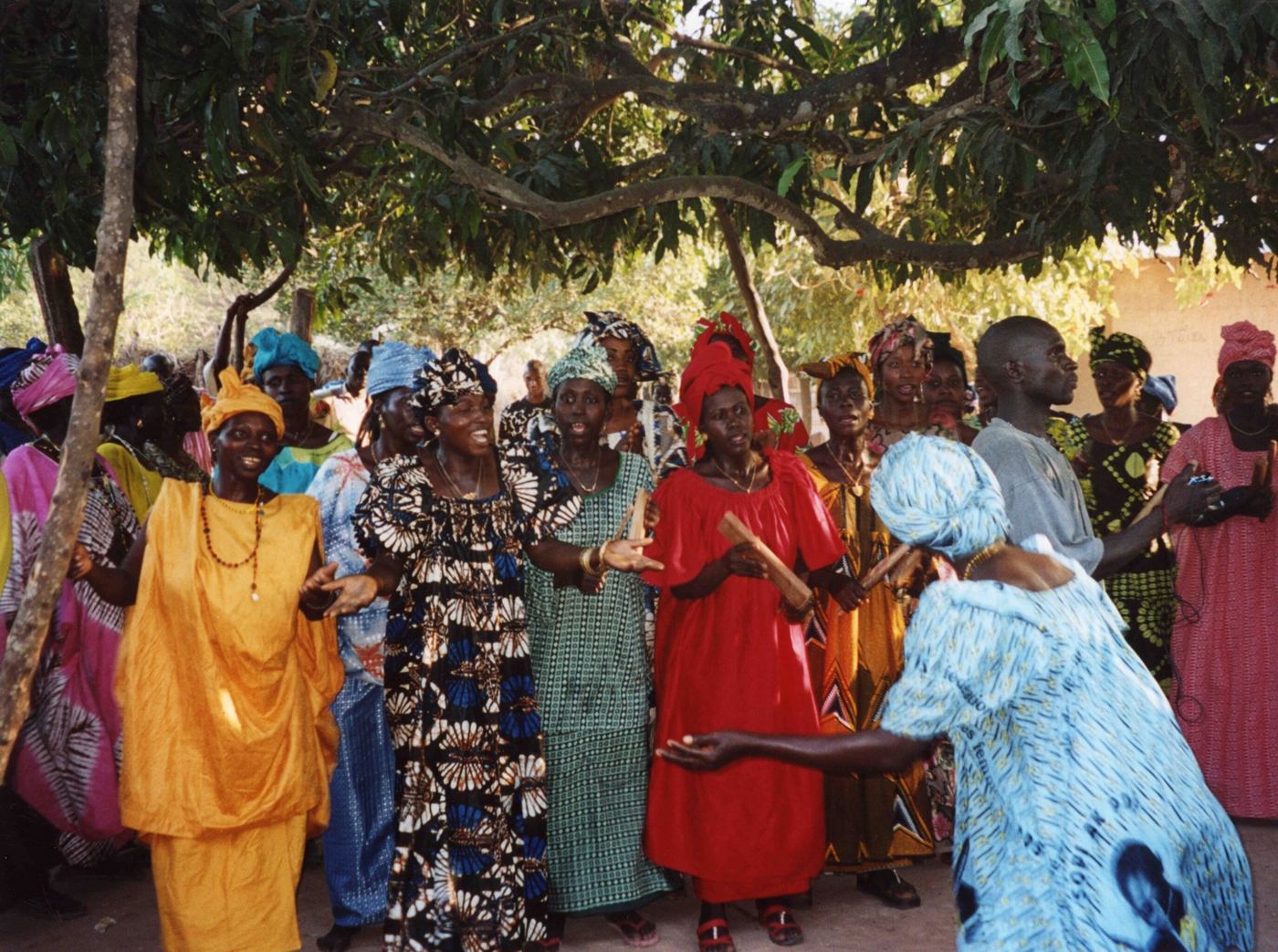
Performance
Live music brings people into the same place. It connects them, it raises money, and it is enjoyable.
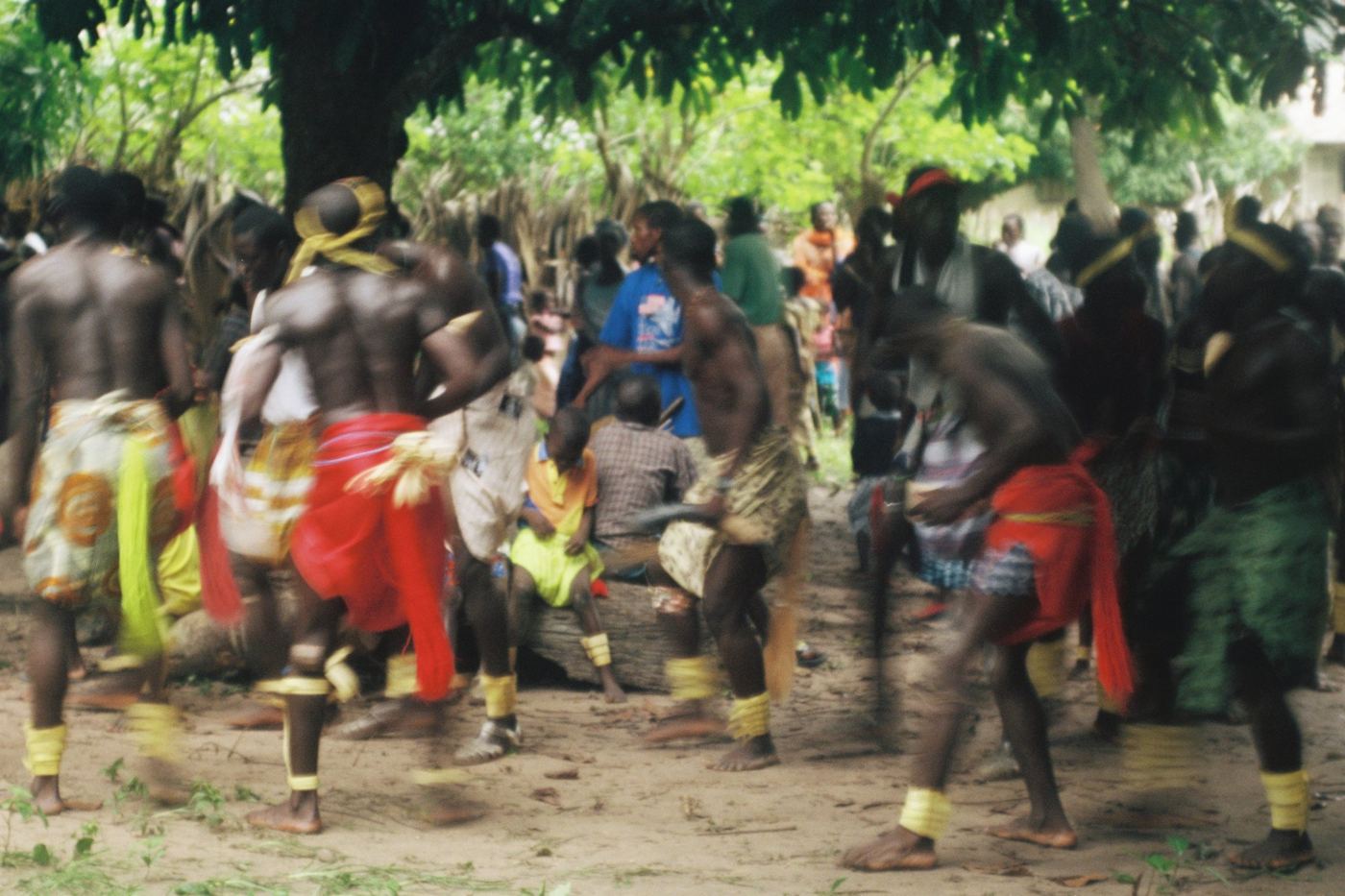
Recordings
A recording keeps what would otherwise be heard once, and carries it beyond the place it was made.
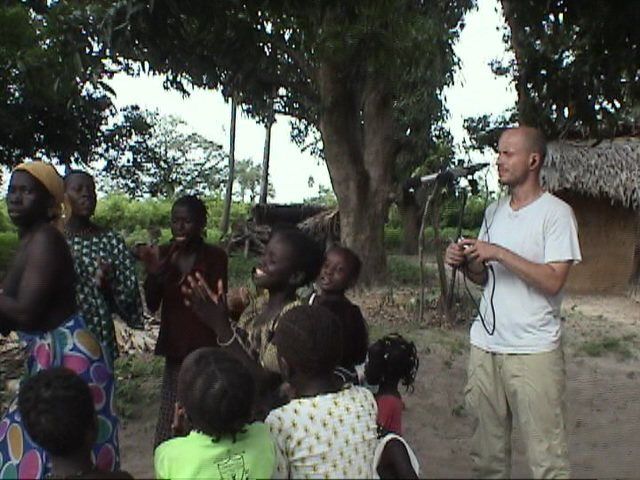
Education
Our understanding of music is limited by our cultural context. A cross-cultural view shows how much more it can do.
What we do with it
Education
Our understanding of music is limited by our cultural context. We ask how to understand its full potential from a cross-cultural perspective.
Consultation
Music is all around us, but many project leads don’t know how to apply it to their organisation’s programme. We advise clients on how to use it in their projects.
Application
We run community well-being projects that use music as a local resource.
Planting in Casamance
In 2025 a community crowdfunder set out to plant 300 heritage trees around the village of Kartiack, in Casamance, Senegal. This is the story of why.
Music is part of daily life
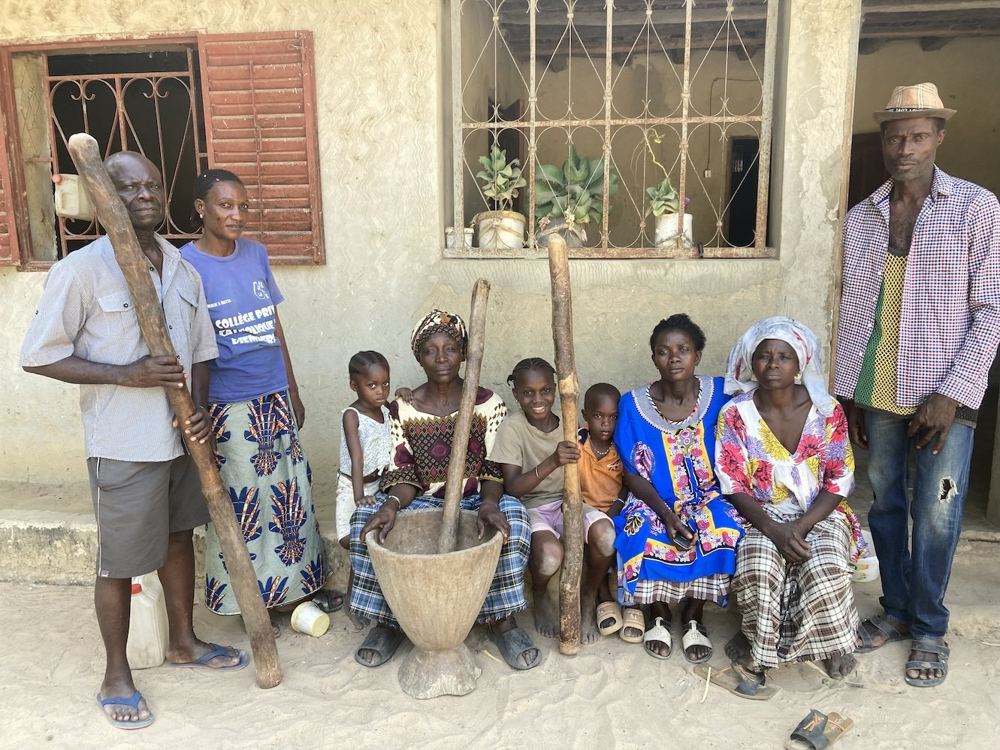
In Casamance, music is not an extra. It marks the year, it brings people together, and it has always been a way to raise money for what a village needs.
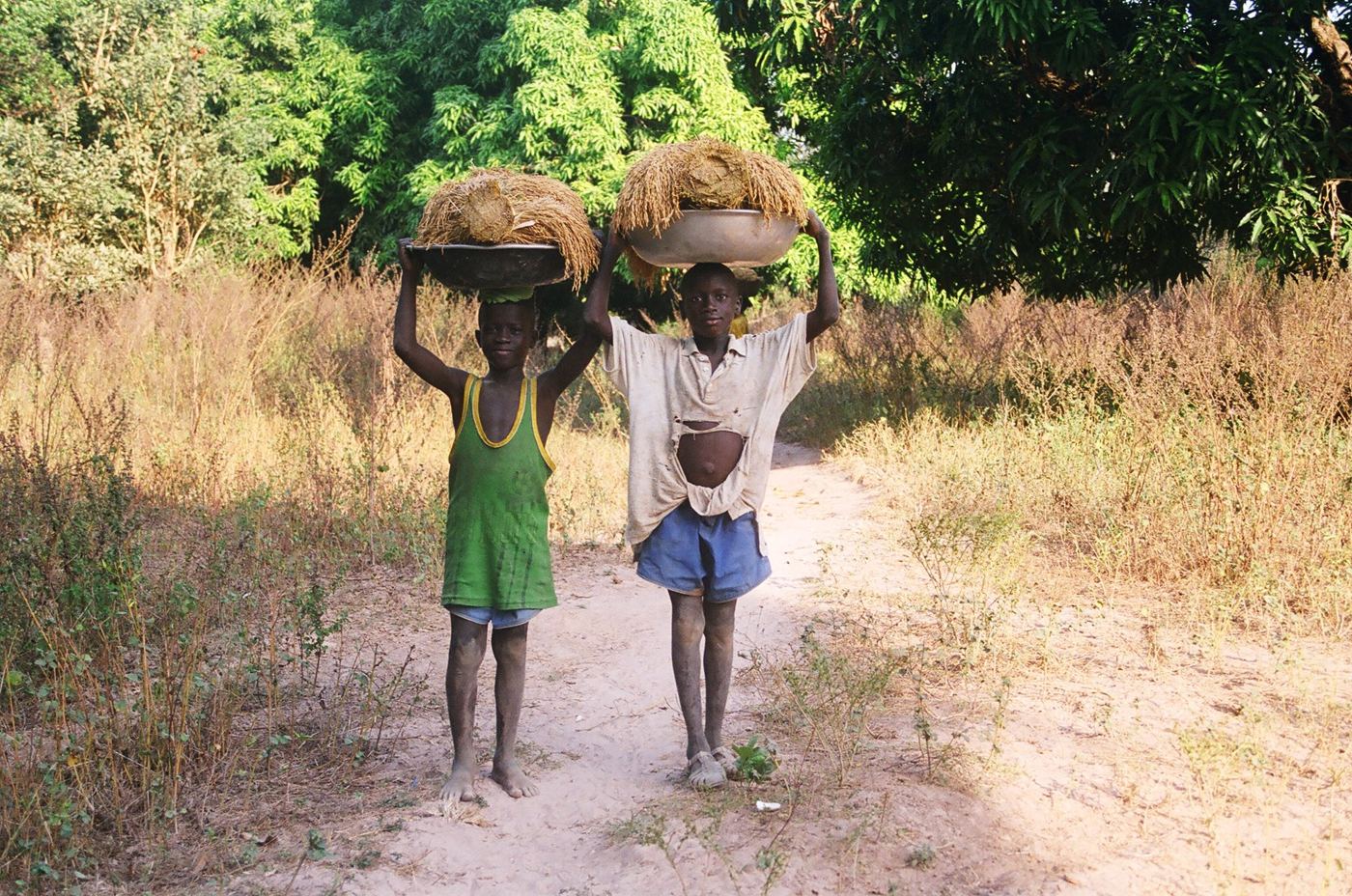
The trees are going
Deforestation threatens the region’s resilience and its ability to cope with climate change. People rely on wood for cooking, for fencing, where hardwoods resist termites, and for roofing, where palm wood is used.
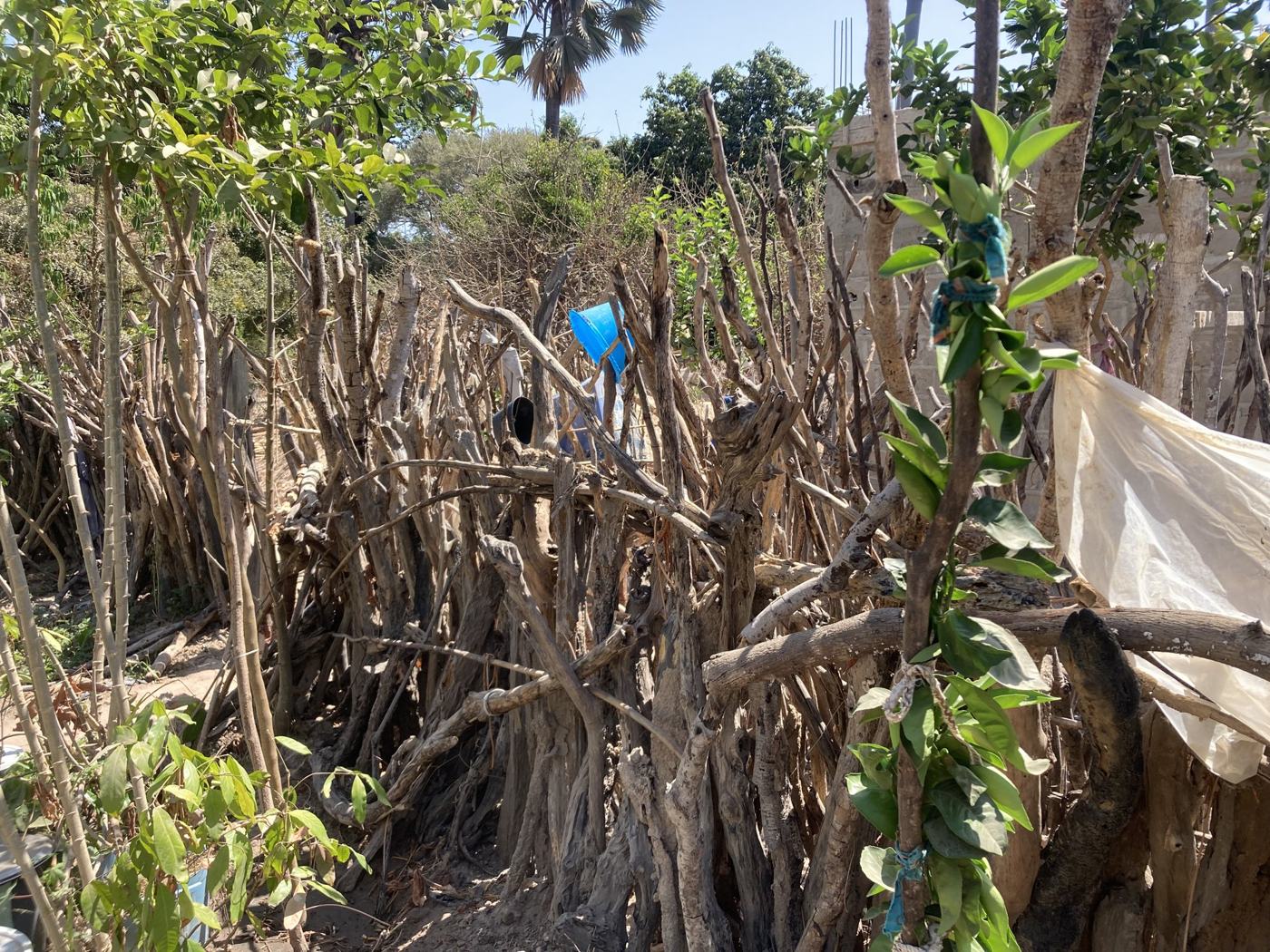
A response grew from a visit
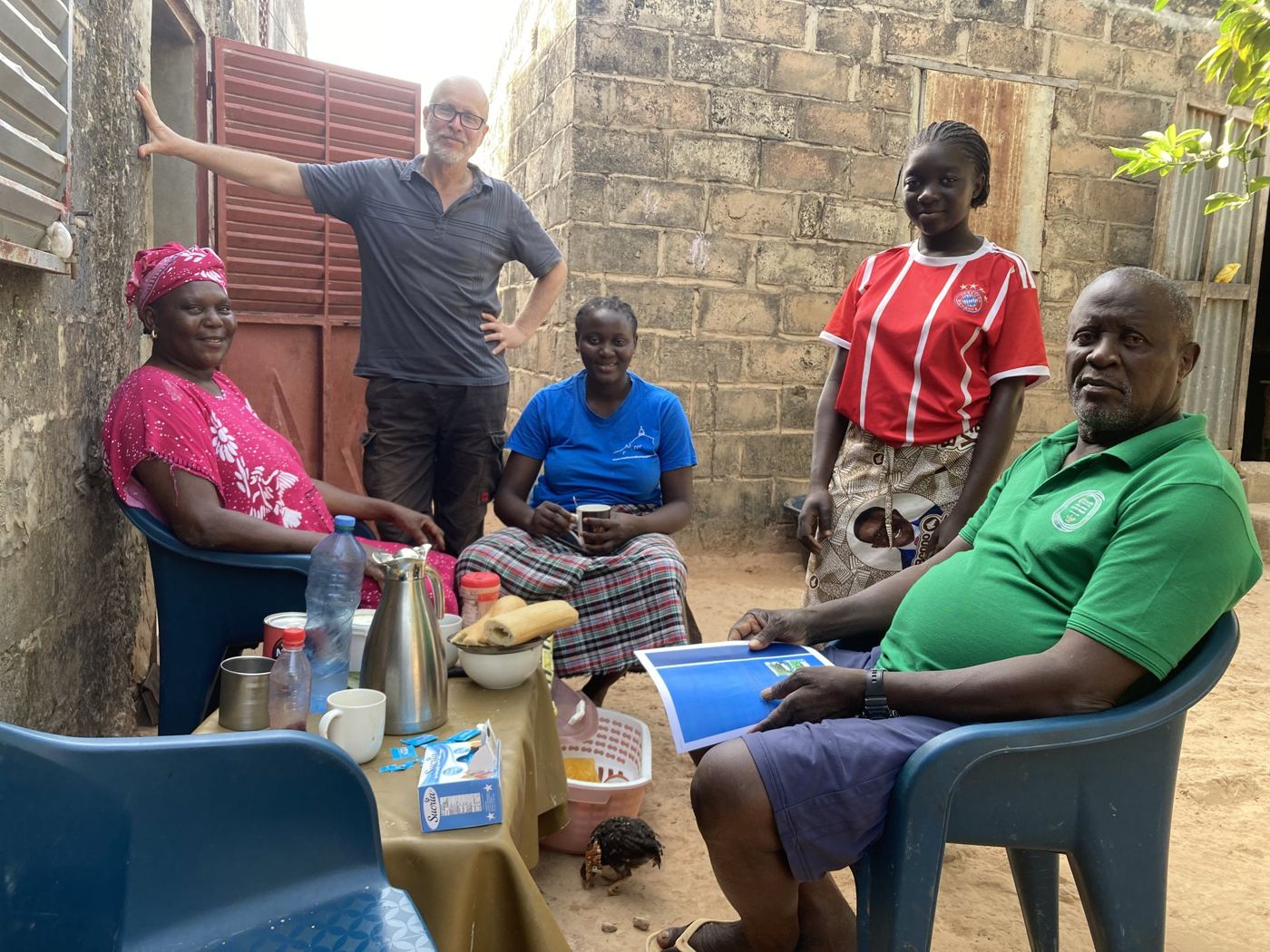
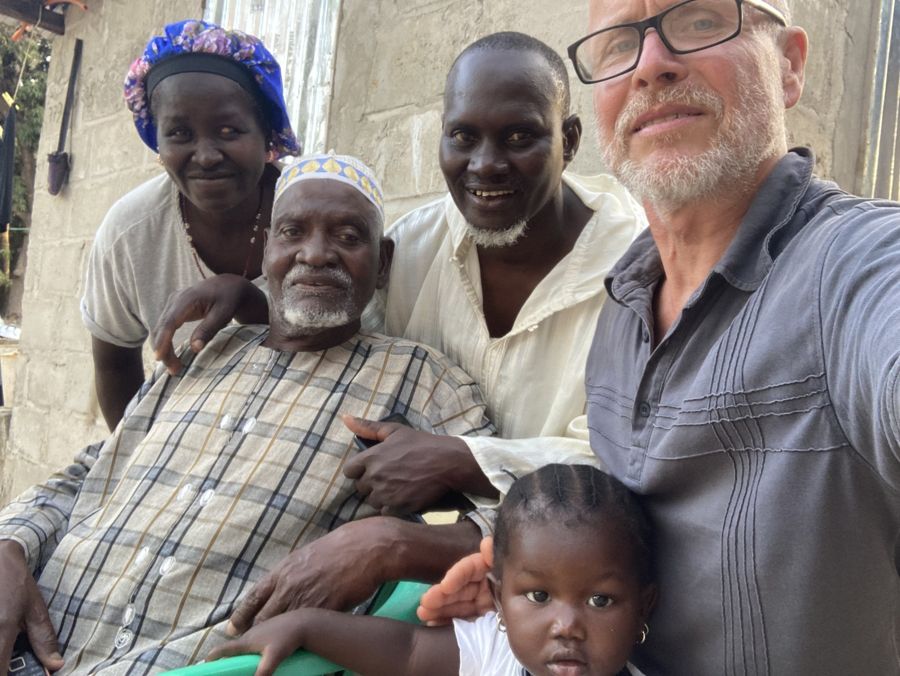
The fundraiser began with conversations on a visit: community resilience, health, food security and the ecology of the village. Tobias has stayed with two host families in Casamance for over thirty years. The people there asked for trees.
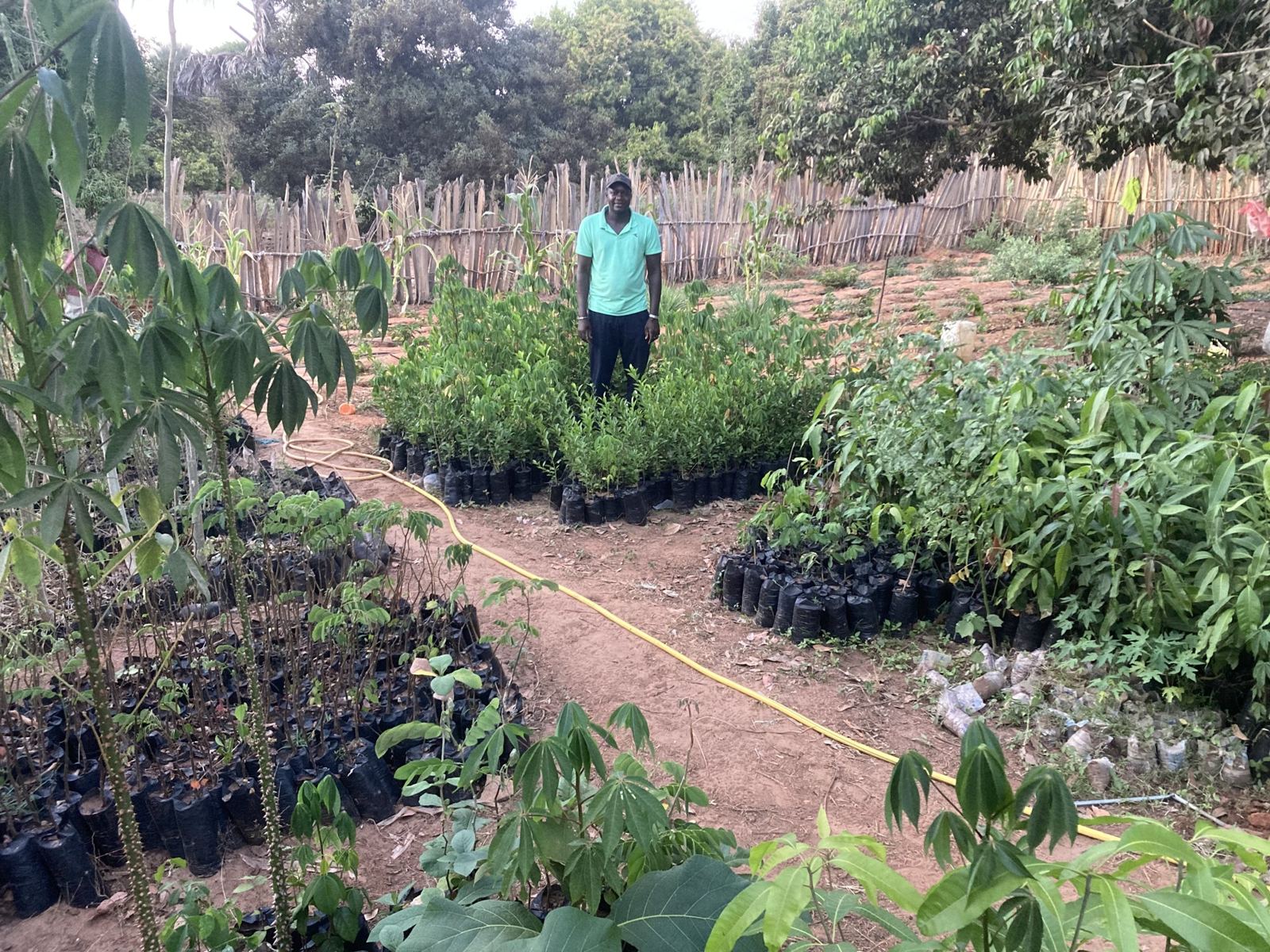
Last year’s crowdfunder
The campaign set out to plant 300 trees around Kartiack and raised over £2,000 towards it. Many of the species are used as medicine as well as for shade, food and timber. Community meetings and volunteer planting were part of the plan.
- Fromagier
- Baobab
- Cailcedrat
- Ditakh
- Linké
- Madd
- Moringa
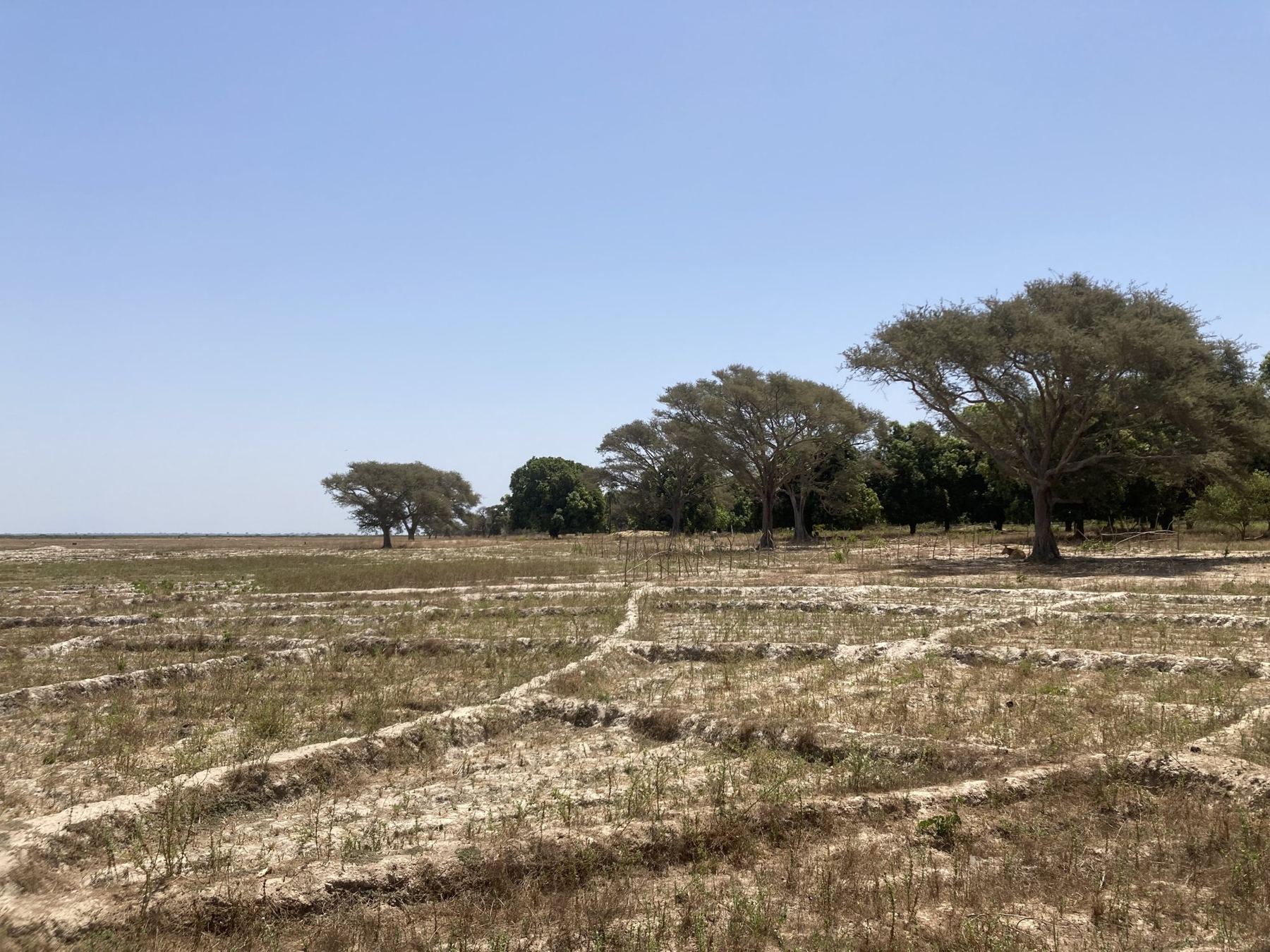
Music and permaculture: exploring music as a local resource
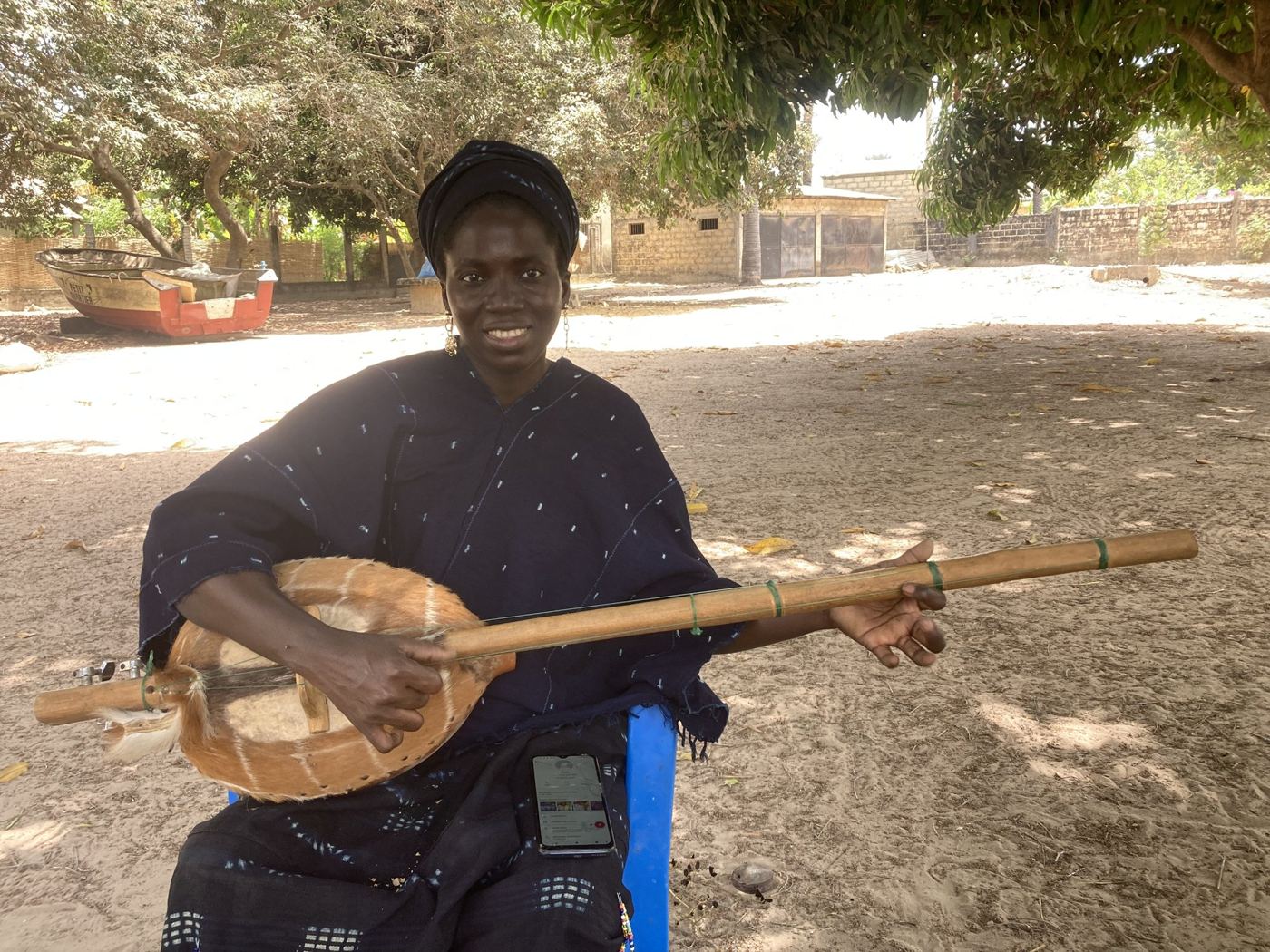
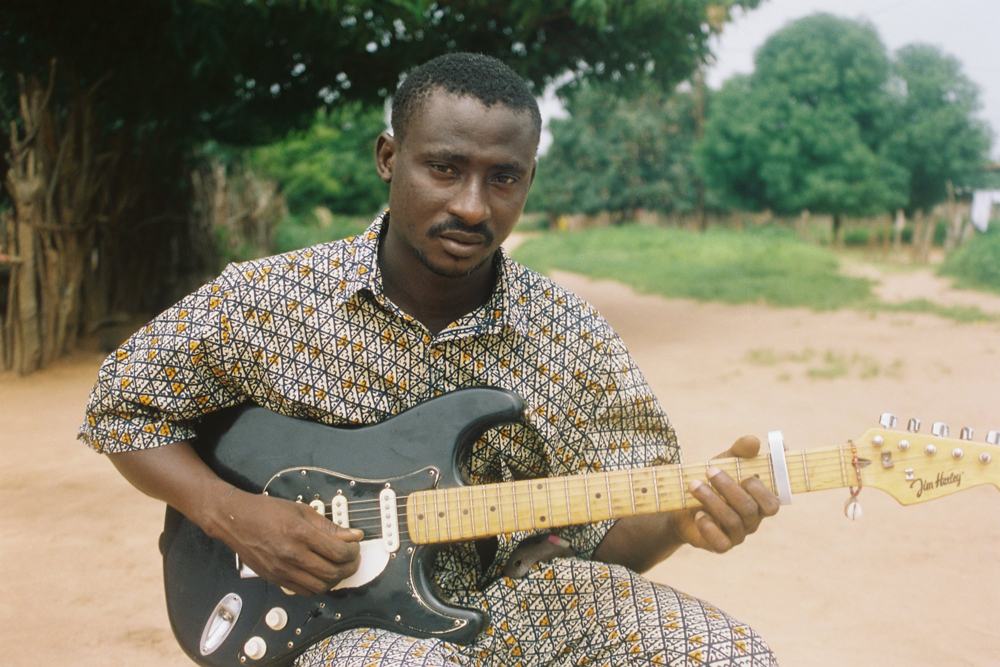
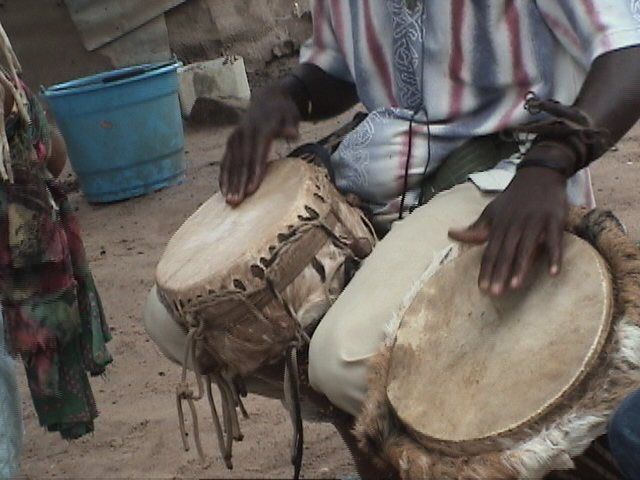
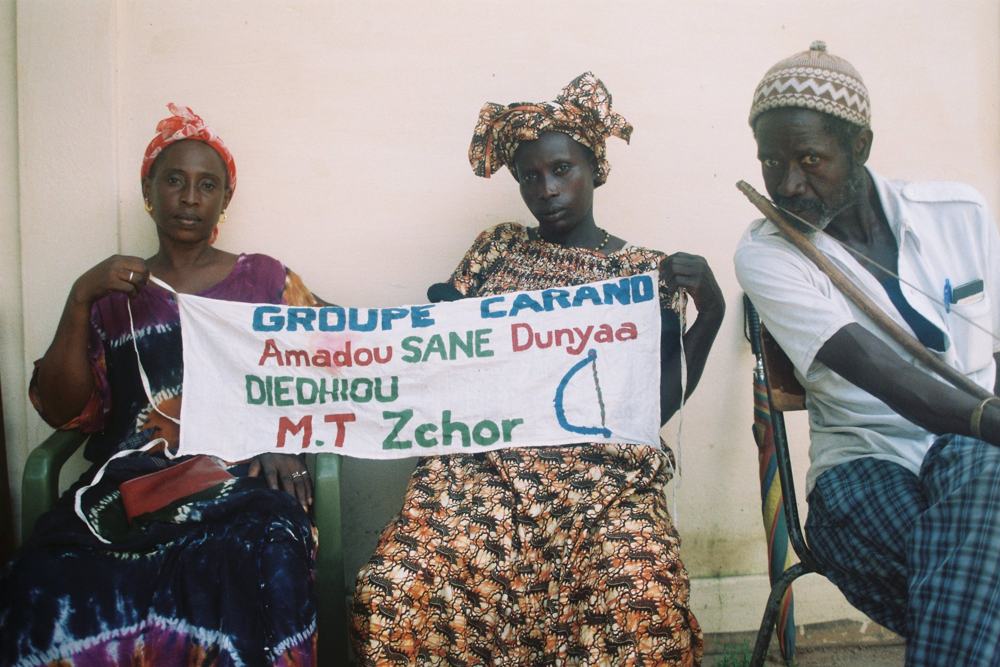
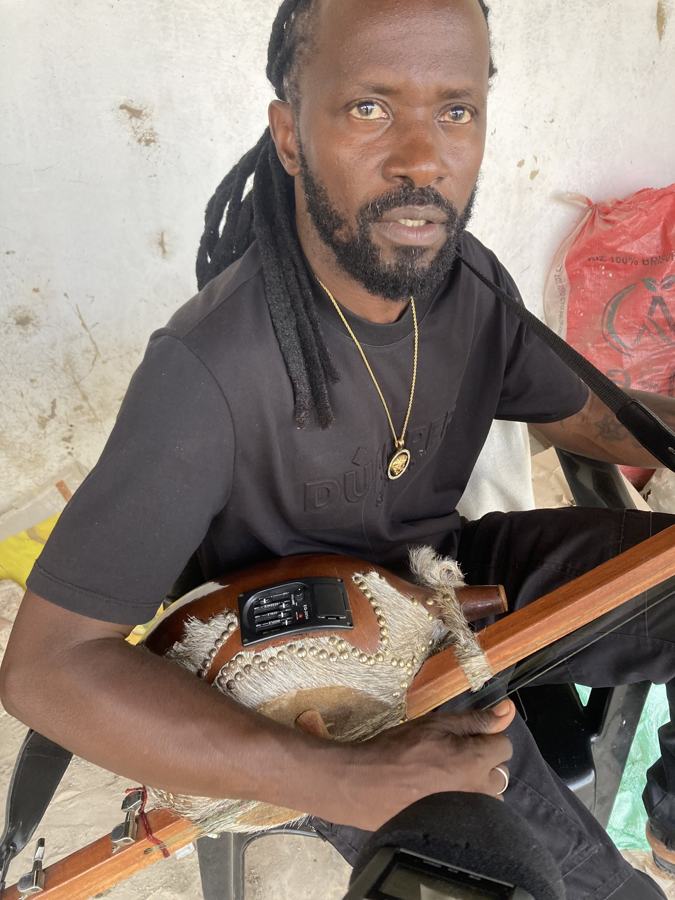
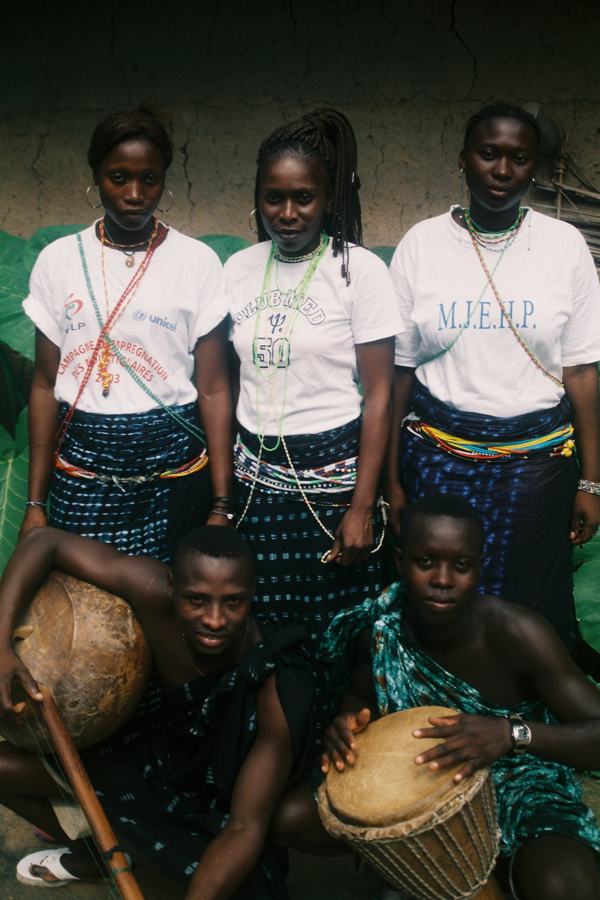
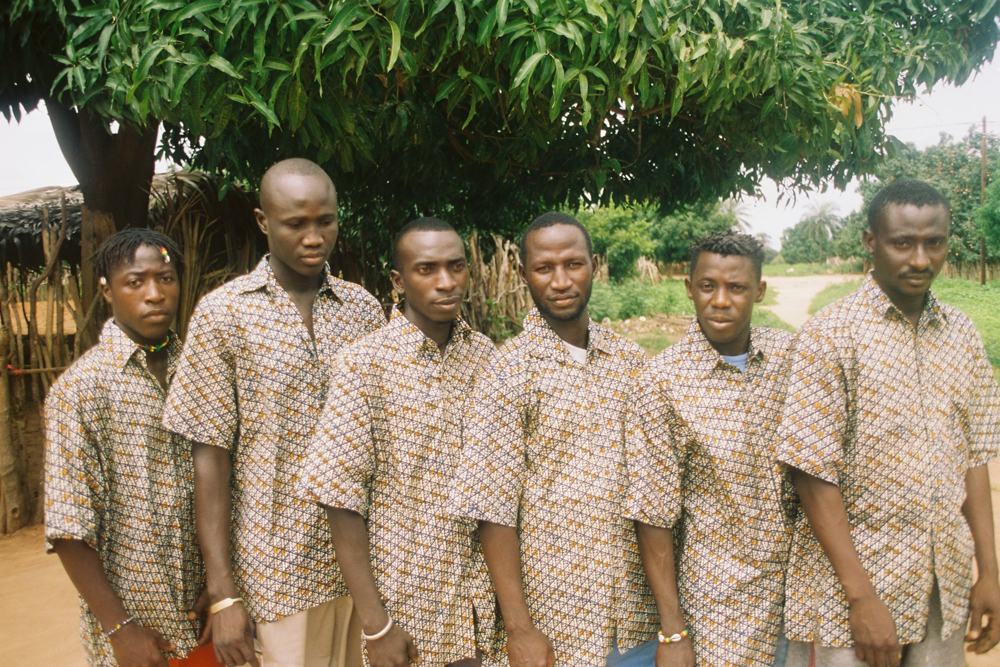
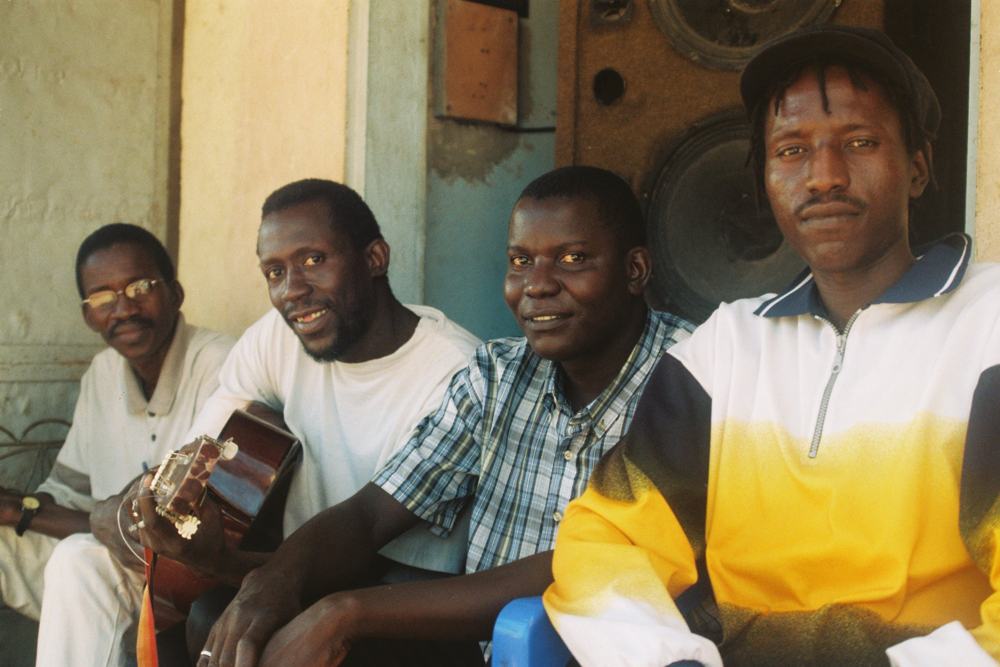
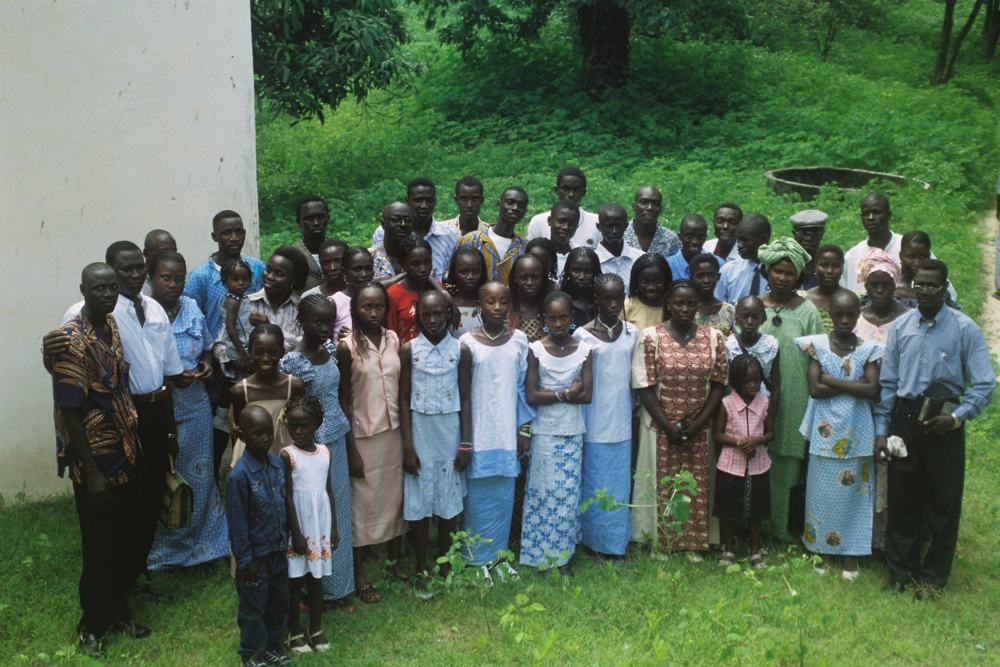
Musicians of Casamance
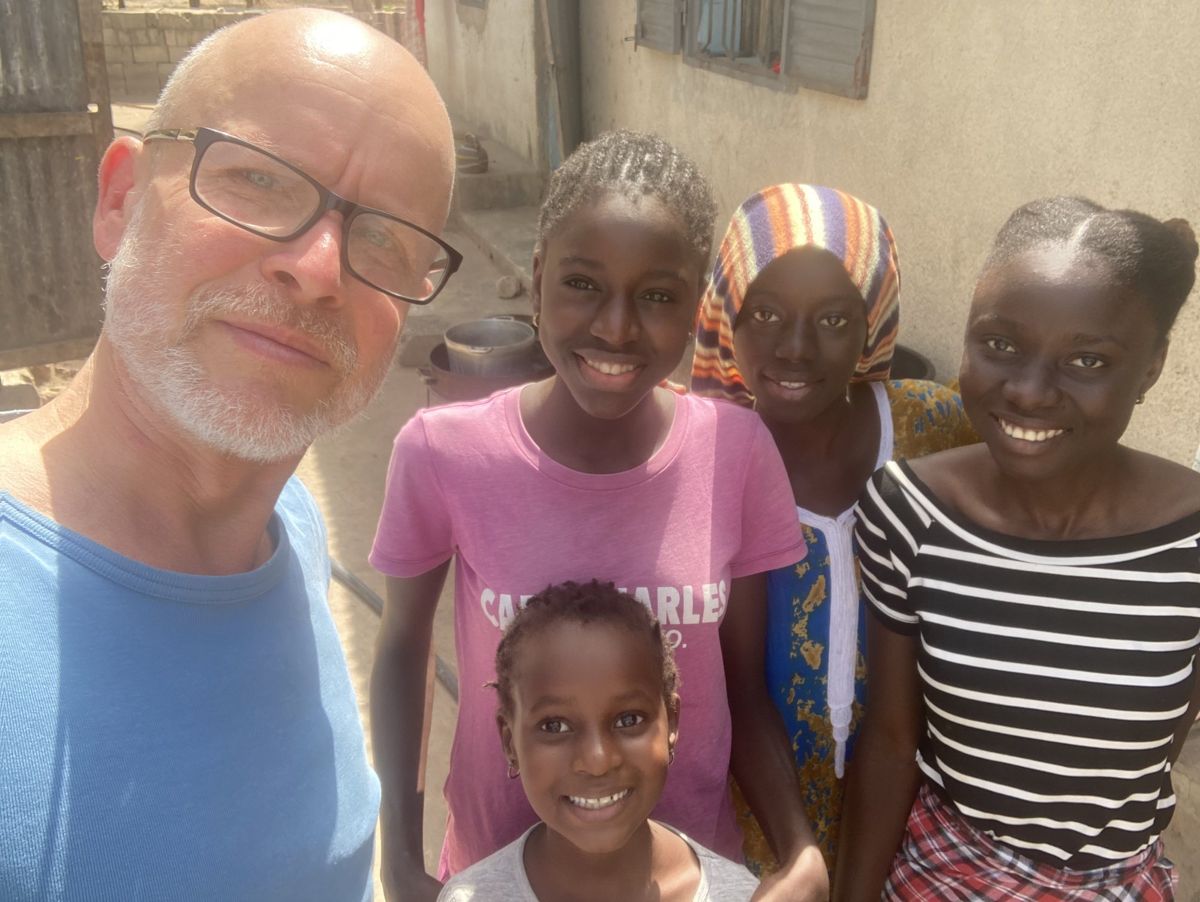
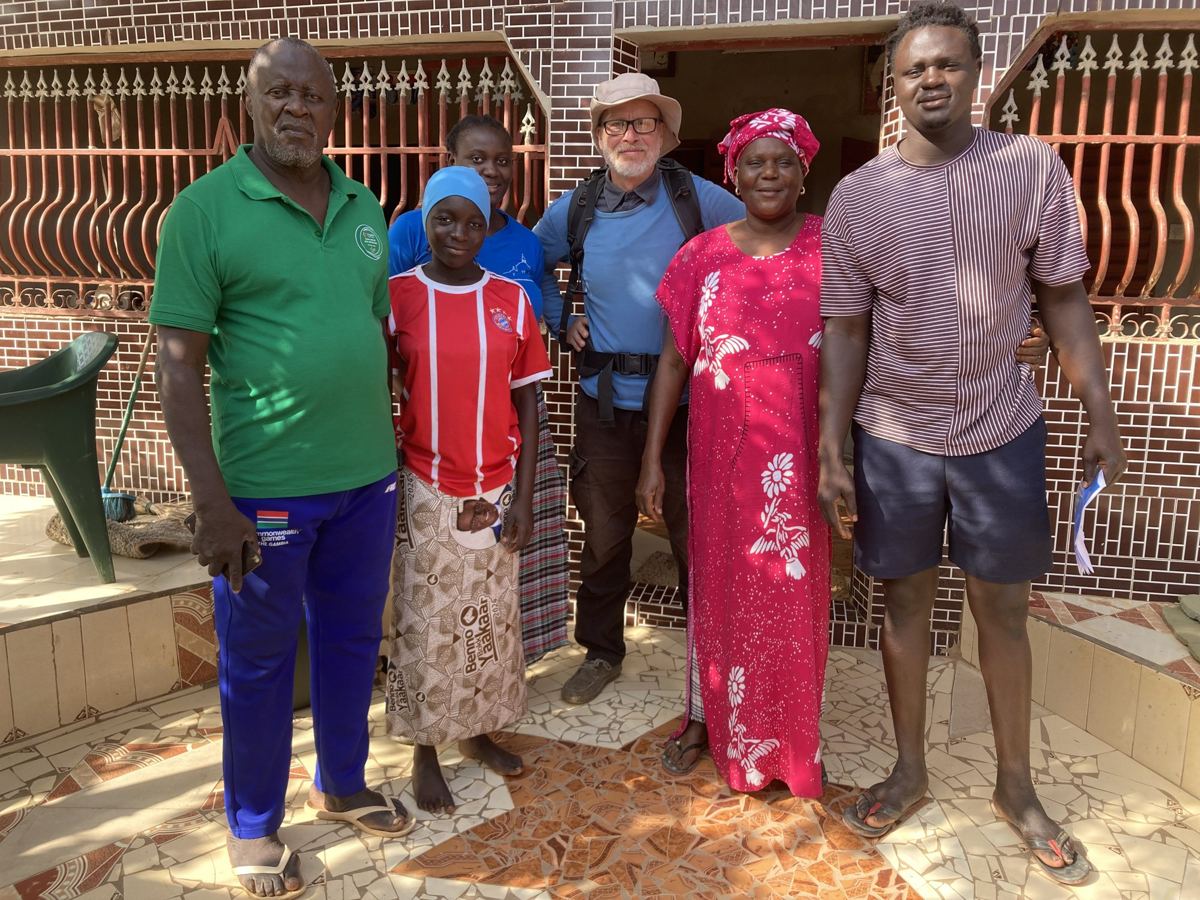
Tobias Sonrisa Sturmer
Tobias is based in Oxford, where he practises permaculture and researches music as a locally available resource for resilience and well-being.
He has been visiting Casamance, Senegal, for more than thirty years, staying with two local host families. In that time he has seen the region change, socially and environmentally. Rhythms for Resilience grew out of those years.
Don’t miss a beat
Join the mailing list for news of what Rhythms for Resilience does next.
We won’t sell or share your information.